MEDORA beta

Medical Library

30 subjects · 43 courses · 87 lessons

43 study guides

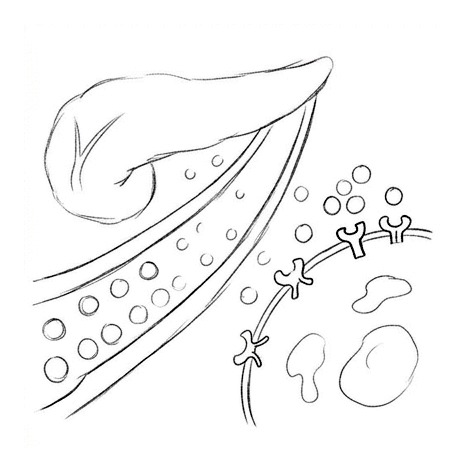
Type 2 Diabetes — educational illustration
EndocrinologyIntermediate

Type 2 Diabetes

Glucose supplies energy, and insulin helps it enter body cells.

2 lessons · 10 min
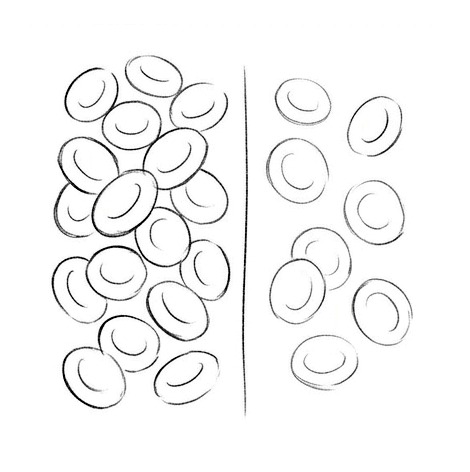
Anemia — educational illustration
HematologyIntermediate

Anemia

Anemia means there are not enough healthy red blood cells to deliver oxygen adequately.

2 lessons · 10 min
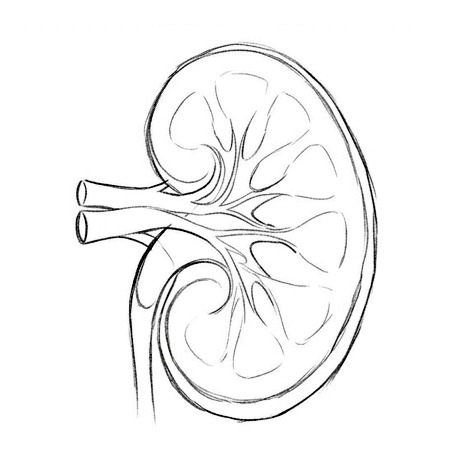
Chronic Kidney Disease — educational illustration
NephrologyIntermediate

Chronic Kidney Disease

Chronic kidney disease usually develops through a slow decline over months or years.

2 lessons · 10 min
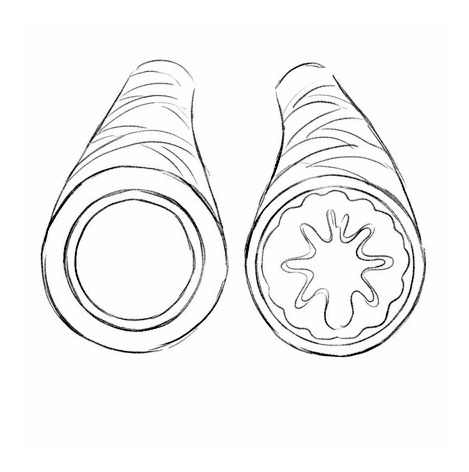
Asthma — educational illustration
Respiratory MedicineIntermediate

Asthma

Asthma is a chronic disease of the airways carrying air into and out of the lungs.

2 lessons · 10 min
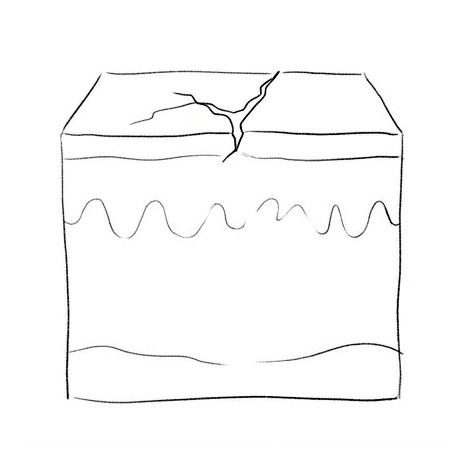
Atopic Dermatitis — educational illustration
DermatologyIntermediate

Atopic Dermatitis

Atopic dermatitis is chronic eczema with itchy, scaly skin eruptions.

2 lessons · 10 min
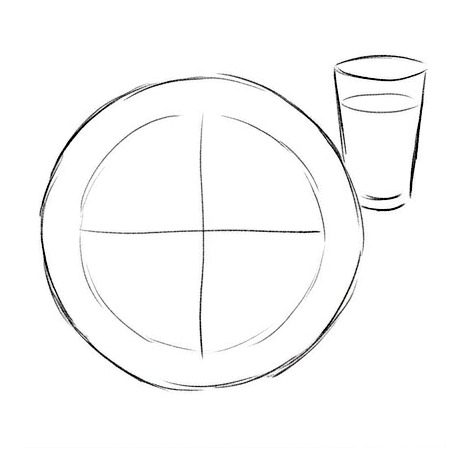
Balanced Nutrition — educational illustration
NutritionBeginner

Balanced Nutrition

Nutrition supplies energy and the nutrients required for growth, repair, and normal function.

2 lessons · 10 min
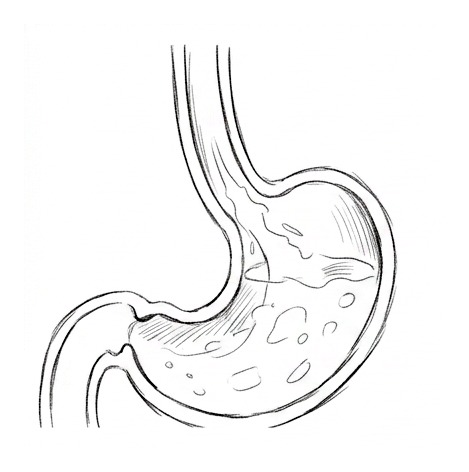
Gastroesophageal Reflux Disease — educational illustration
GastroenterologyIntermediate

Gastroesophageal Reflux Disease

Reflux occurs when the muscle at the lower esophagus fails to close properly or relaxes at the wrong time.

2 lessons · 10 min
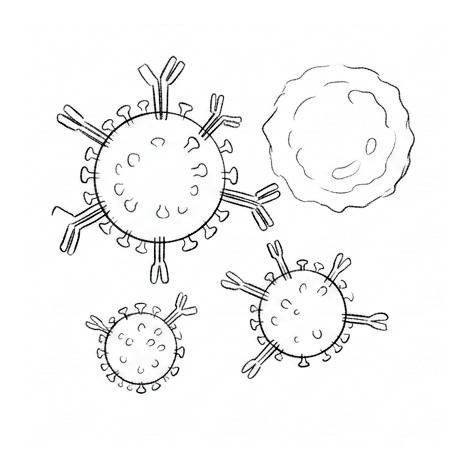
Vaccines and Immune Protection — educational illustration
ImmunologyIntermediate

Vaccines and Immune Protection

Vaccines teach immune defenses to recognize specific harmful germs.

2 lessons · 10 min
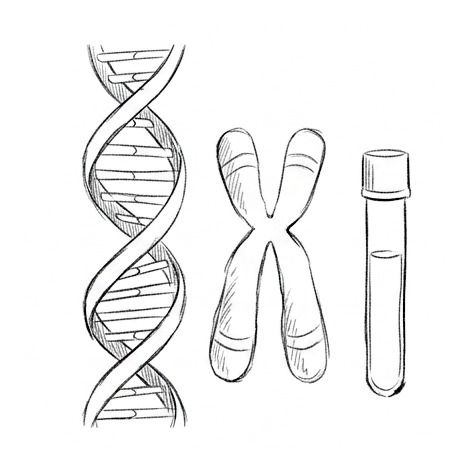
DNA and Genetic Testing — educational illustration
GeneticsIntermediate

DNA and Genetic Testing

Genetic tests identify changes in DNA, often called variants.

2 lessons · 10 min
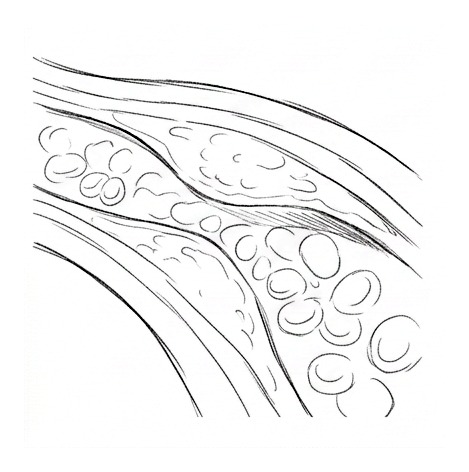
Cholesterol and Cardiovascular Risk — educational illustration
BiochemistryIntermediate

Cholesterol and Cardiovascular Risk

Cholesterol is needed for hormones, vitamin D, and digestion-related substances, and the body makes what it needs.

2 lessons · 10 min
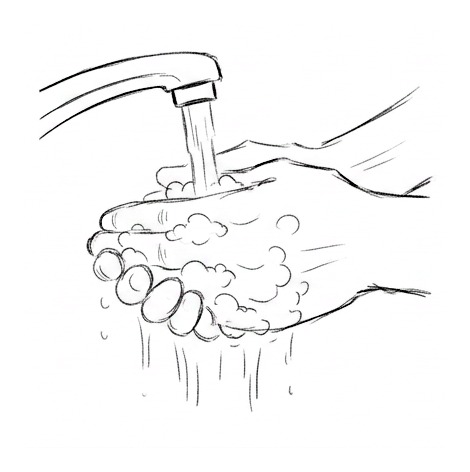
Germs, Hygiene, and Infection Prevention — educational illustration
Public HealthBeginner

Germs, Hygiene, and Infection Prevention

Germs occur in air, soil, water, and on or within the body.

2 lessons · 10 min
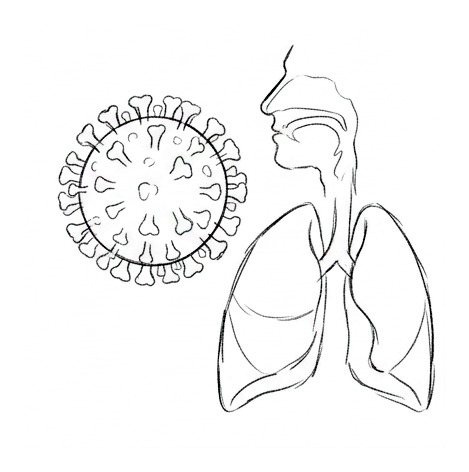
Influenza — educational illustration
Infectious DiseasesIntermediate

Influenza

Influenza is a respiratory infection caused by influenza viruses.

2 lessons · 10 min
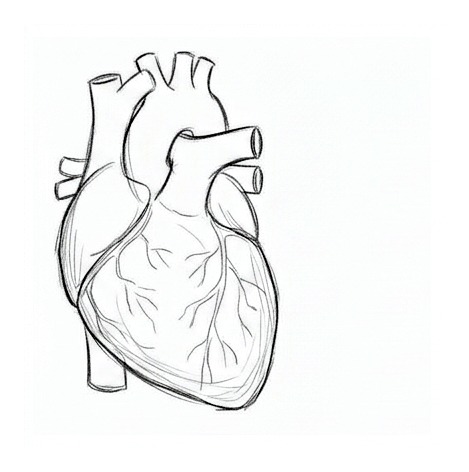
Coronary Artery Disease — educational illustration
CardiologyIntermediate

Coronary Artery Disease

Coronary arteries supply oxygen-rich blood to heart muscle.

2 lessons · 10 min
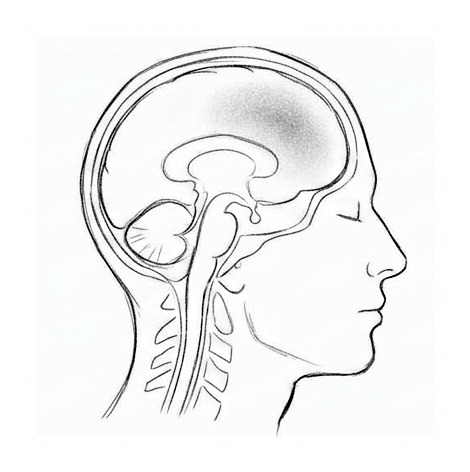
Migraine — educational illustration
NeuroscienceIntermediate

Migraine

Migraine involves abnormal brain activity, nerve pathways, and chemical signaling, although the exact sequence remains uncertain.

2 lessons · 10 min
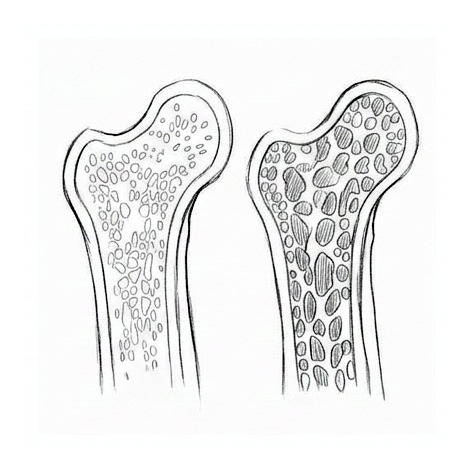
Osteoporosis — educational illustration
Musculoskeletal HealthIntermediate

Osteoporosis

Bone is living tissue that is continually removed and replaced.

2 lessons · 10 min
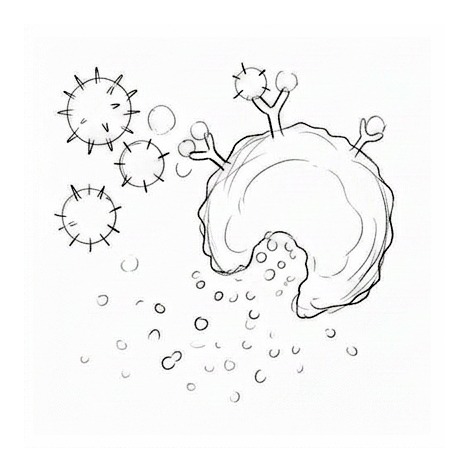
Allergies and Immune Reactions — educational illustration
ImmunologyIntermediate

Allergies and Immune Reactions

An allergy occurs when immune defenses react to a substance that does not trouble most people.

2 lessons · 10 min
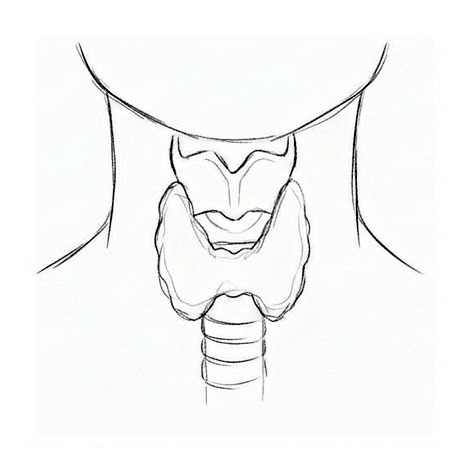
Hypothyroidism — educational illustration
EndocrinologyIntermediate

Hypothyroidism

The thyroid at the front of the neck produces hormones affecting how cells use energy.

2 lessons · 10 min
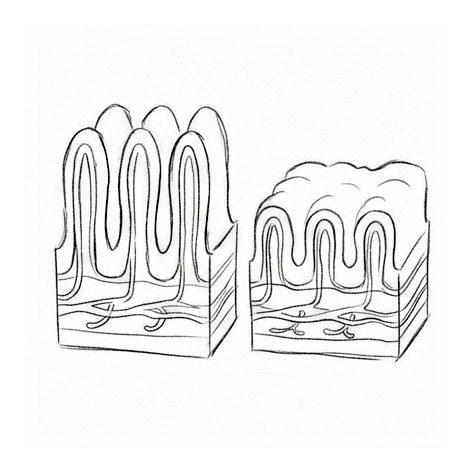
Celiac Disease — educational illustration
GastroenterologyIntermediate

Celiac Disease

Celiac disease is a chronic immune and digestive disorder in which gluten exposure damages the small intestine.

2 lessons · 10 min
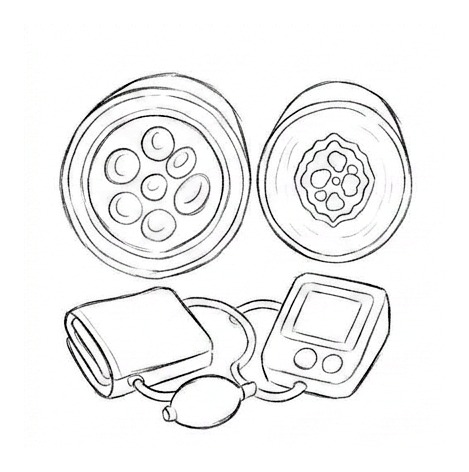
Blood Pressure Physiology — educational illustration
PhysiologyIntermediate

Blood Pressure Physiology

Blood pressure is the force of blood against artery walls.

2 lessons · 10 min
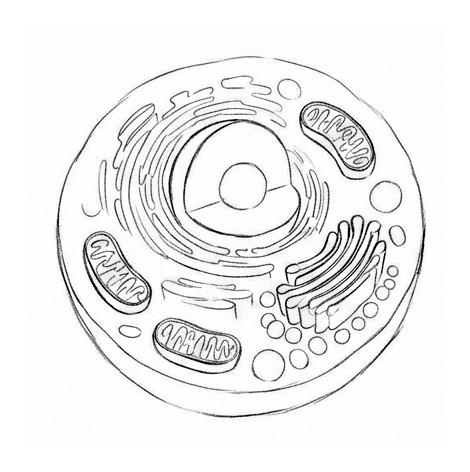
Cells, Organelles, and DNA — educational illustration
BiologyBeginner

Cells, Organelles, and DNA

Cells are the basic building blocks of living organisms.

2 lessons · 10 min
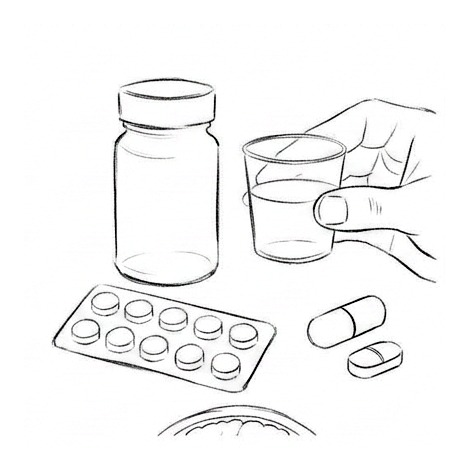
Medicine Safety and Responsible Use — educational illustration
PharmacologyBeginner

Medicine Safety and Responsible Use

Medicine safety assessment considers benefits and harms rather than usefulness alone.

2 lessons · 10 min
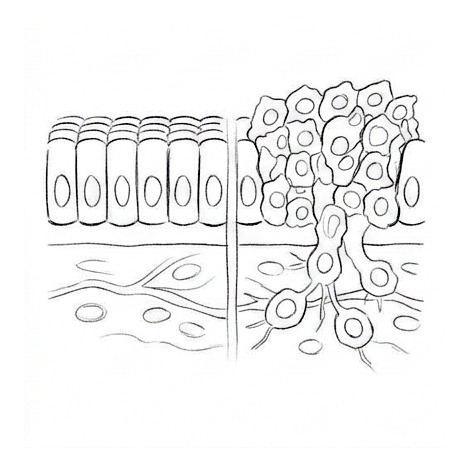
Cancer Biology and Diagnosis — educational illustration
PathologyIntermediate

Cancer Biology and Diagnosis

Cancer begins when normal cell regulation fails.

2 lessons · 10 min
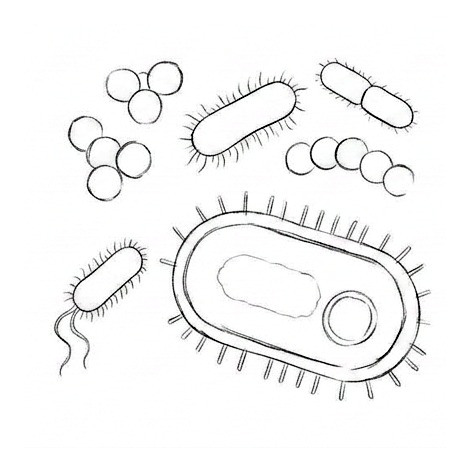
Bacteria, Infection, and Antibiotic Resistance — educational illustration
MicrobiologyIntermediate

Bacteria, Infection, and Antibiotic Resistance

Bacteria are tiny single-celled organisms occurring in many environments and on or inside the human body.

2 lessons · 10 min
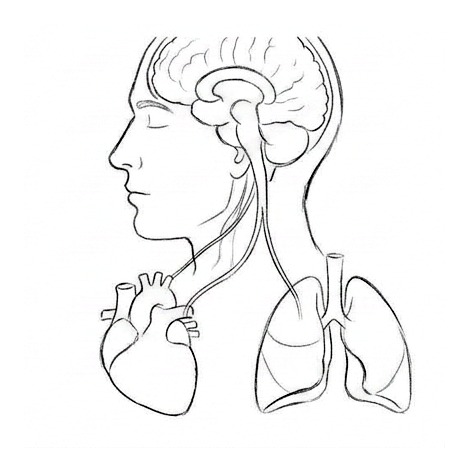
Anxiety and Anxiety Disorders — educational illustration
Mental HealthBeginner

Anxiety and Anxiety Disorders

Anxiety is fear, dread, or uneasiness and can include tension, sweating, restlessness, or a pounding heart.

2 lessons · 10 min
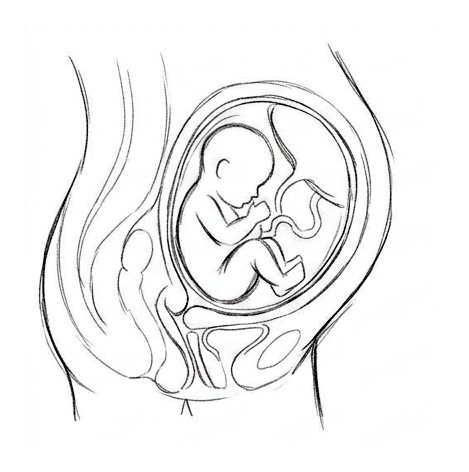
Pregnancy and Prenatal Care — educational illustration
Reproductive HealthBeginner

Pregnancy and Prenatal Care

Prenatal care means regular visits during pregnancy rather than waiting until delivery or a problem becomes obvious.

2 lessons · 10 min
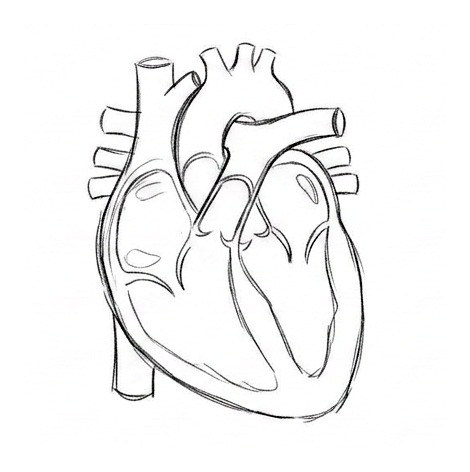
The Heart: Chambers, Valves, and Blood Flow — educational illustration
AnatomyBeginner

The Heart: Chambers, Valves, and Blood Flow

The right atrium, right ventricle, left atrium, and left ventricle form four chambers.

3 lessons · 15 min
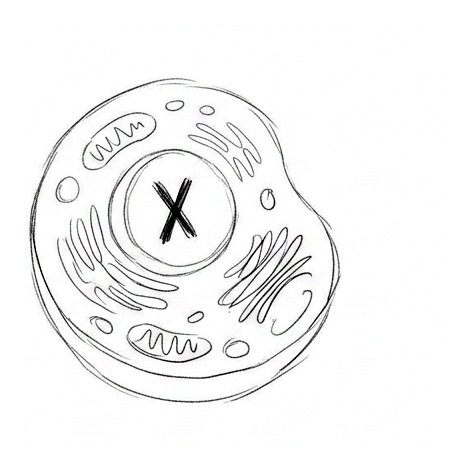
Cell Foundations: Organelles and Genetic Instructions — educational illustration
BiologyBeginner

Cell Foundations: Organelles and Genetic Instructions

Cells provide structure, take in nutrients, convert energy, and carry out specialized work.

2 lessons · 10 min
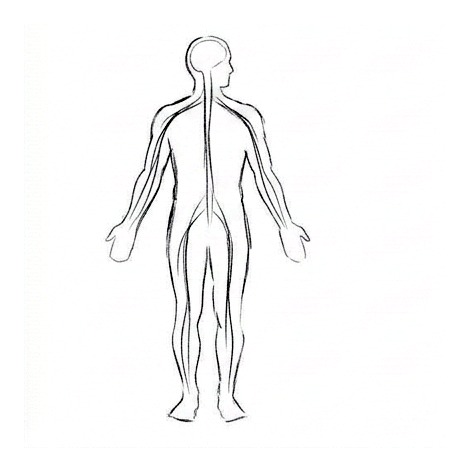
Nervous System Organization and Evaluation — educational illustration
NeuroscienceIntermediate

Nervous System Organization and Evaluation

The central nervous system consists of brain and spinal cord.

2 lessons · 10 min
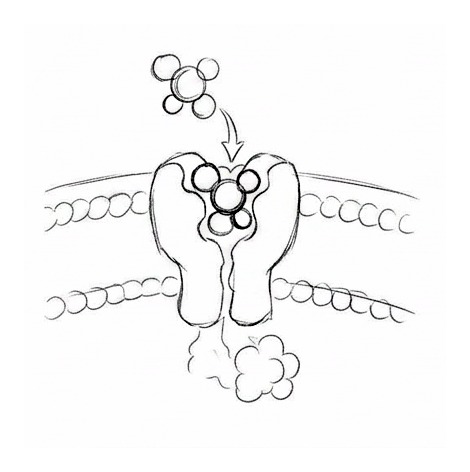
How Medicines Work and Are Used Safely — educational illustration
PharmacologyBeginner

How Medicines Work and Are Used Safely

Medicines treat disease and improve health.

2 lessons · 10 min
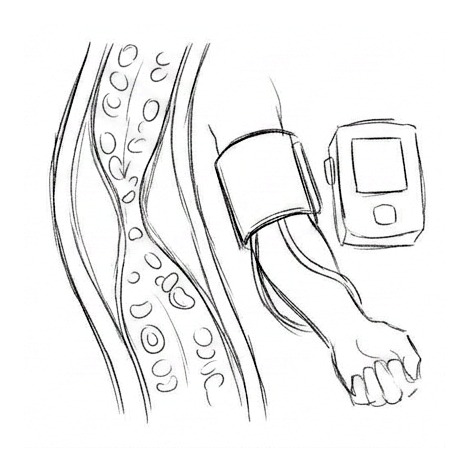
High Blood Pressure: Risks and Management — educational illustration
PhysiologyIntermediate

High Blood Pressure: Risks and Management

Blood pressure is force against artery walls.

2 lessons · 10 min
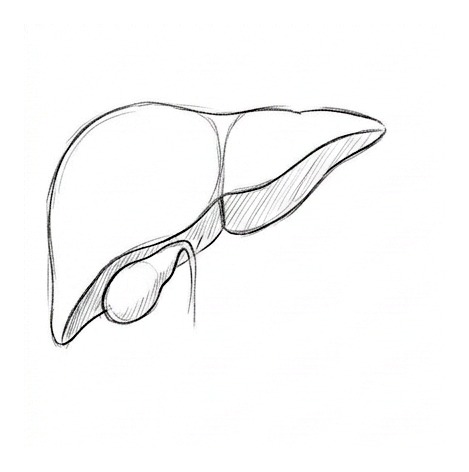
The Liver: Functions and Disease — educational illustration
GastroenterologyIntermediate

The Liver: Functions and Disease

The liver is the largest organ inside the body and helps digest food, store energy, and remove toxins.

2 lessons · 10 min
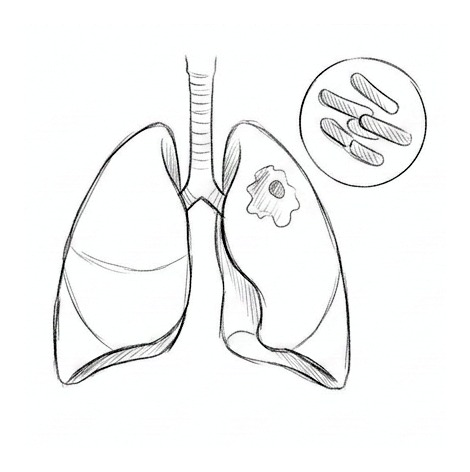
Tuberculosis: Latent Infection and Active Disease — educational illustration
MicrobiologyIntermediate

Tuberculosis: Latent Infection and Active Disease

Mycobacterium tuberculosis usually affects lungs but can involve kidneys, spine, or brain.

2 lessons · 10 min
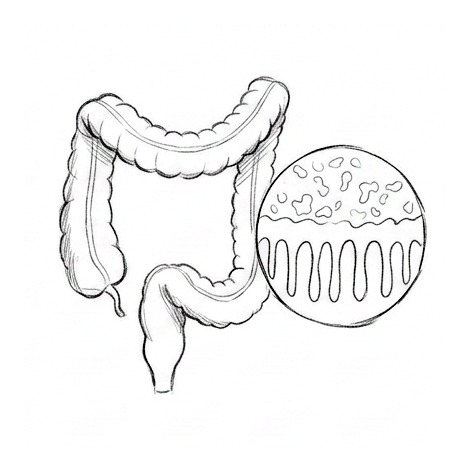
Digestive Bacteria and Probiotics — educational illustration
MicrobiologyIntermediate

Digestive Bacteria and Probiotics

Intestines contain different bacteria in a balance.

2 lessons · 10 min
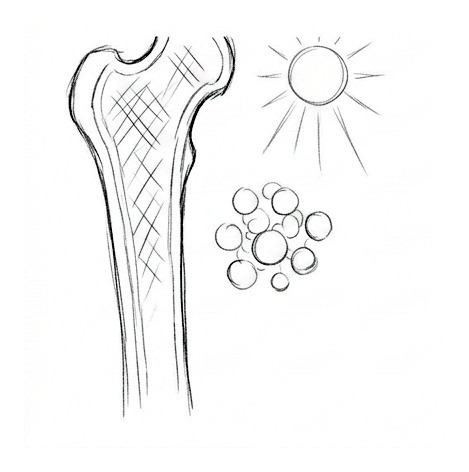
Vitamin D, Calcium, and Bone Health — educational illustration
Musculoskeletal HealthIntermediate

Vitamin D, Calcium, and Bone Health

Vitamin D helps absorb calcium, an important bone component.

2 lessons · 10 min
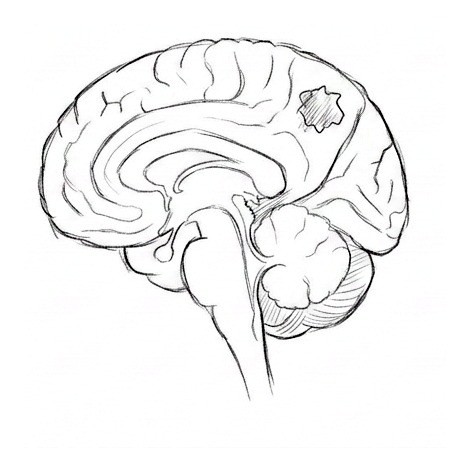
Brain Tumors: Symptoms and Evaluation — educational illustration
NeuroscienceIntermediate

Brain Tumors: Symptoms and Evaluation

A brain tumor is abnormal cell growth in brain tissue.

2 lessons · 10 min
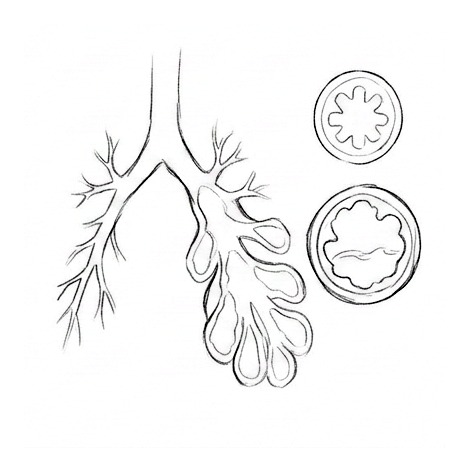
Airways and Bronchiectasis — educational illustration
Respiratory MedicineIntermediate

Airways and Bronchiectasis

Bronchiectasis involves damage and lasting widening of larger airways.

2 lessons · 10 min
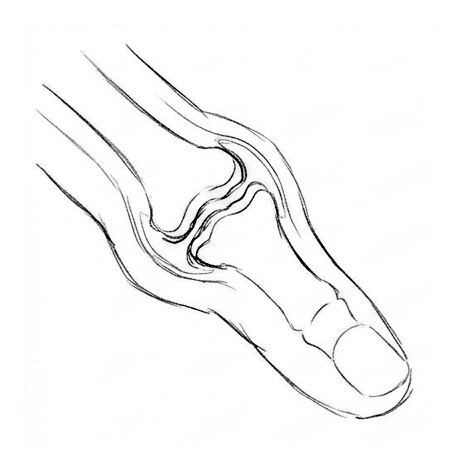
Rheumatoid Arthritis — educational illustration
RheumatologyIntermediate

Rheumatoid Arthritis

An autoimmune disease in which the immune system attacks the lining of the joints.

2 lessons · 10 min
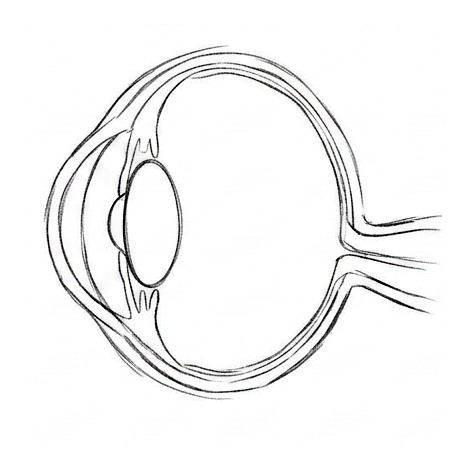
Glaucoma — educational illustration
OphthalmologyIntermediate

Glaucoma

A group of eye diseases that damage the optic nerve and can cause irreversible vision loss.

2 lessons · 10 min
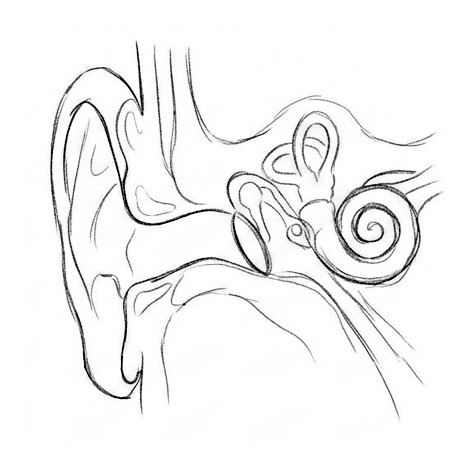
Hearing Loss — educational illustration
Ear, Nose & ThroatBeginner

Hearing Loss

How hearing works, why it declines, and what can be done about hearing loss.

2 lessons · 10 min
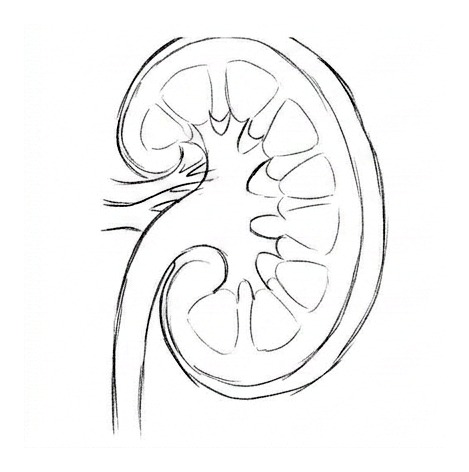
Kidney Stones — educational illustration
UrologyBeginner

Kidney Stones

Hard mineral deposits that form in the kidneys and can cause intense pain as they pass.

2 lessons · 10 min
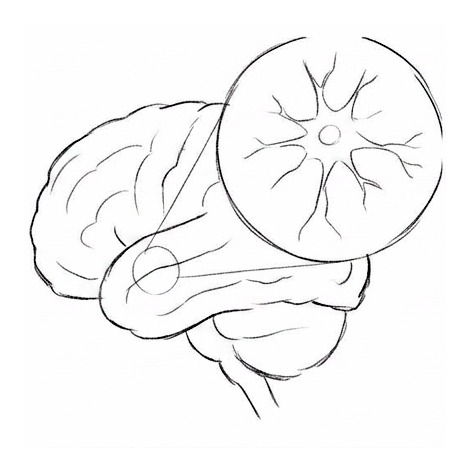
Alzheimer's Disease — educational illustration
GeriatricsIntermediate

Alzheimer's Disease

The most common cause of dementia, a progressive brain disease that erodes memory and thinking.

2 lessons · 10 min
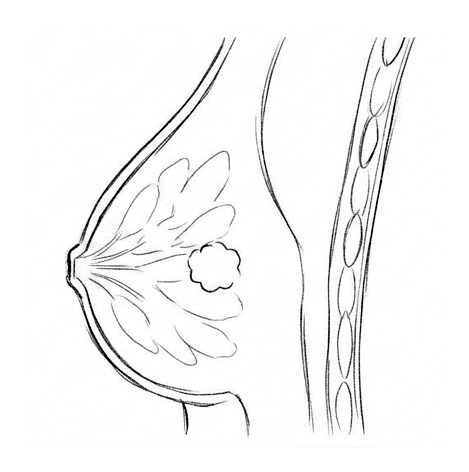
Breast Cancer — educational illustration
OncologyIntermediate

Breast Cancer

The most common cancer in women worldwide: risk factors, detection, and treatment.

2 lessons · 10 min
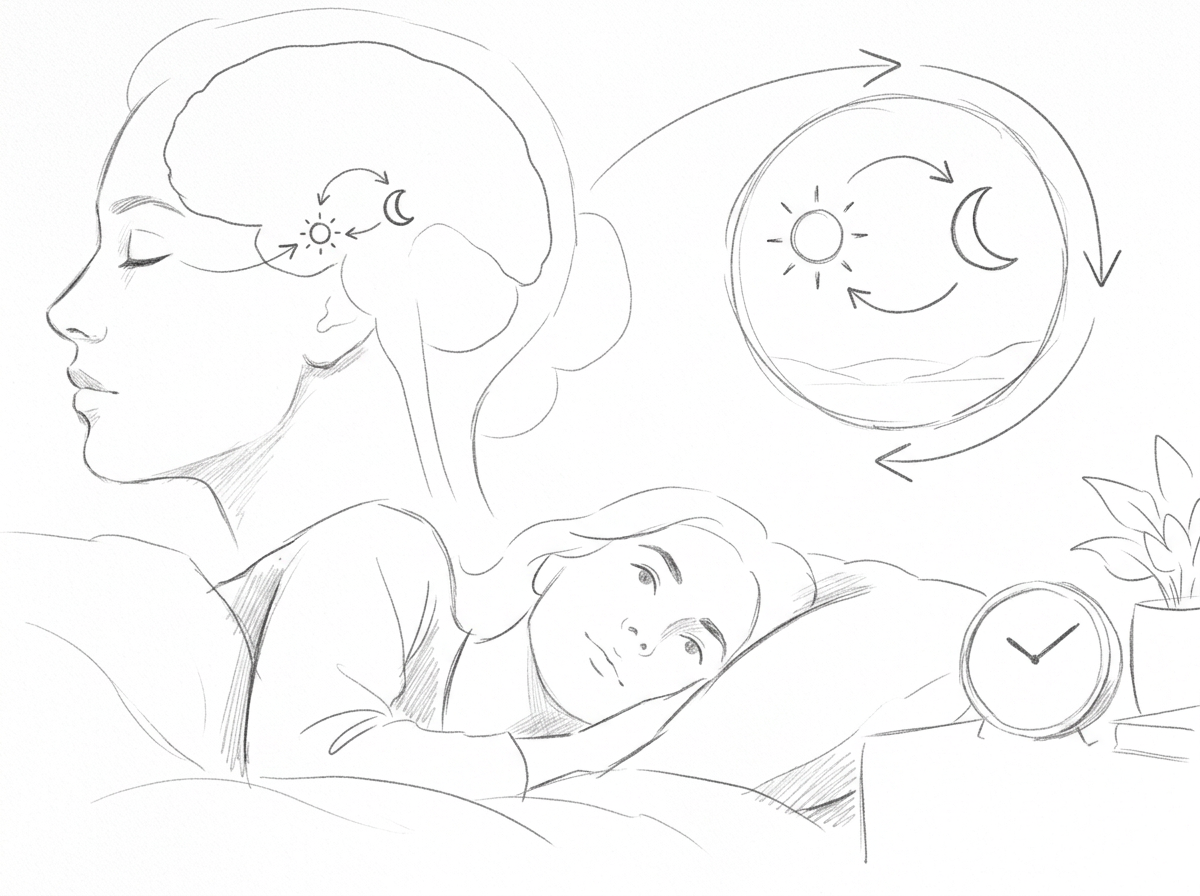
Insomnia — educational illustration
Sleep MedicineBeginner

Insomnia

Difficulty falling or staying asleep, why it happens, and how healthy sleep habits help.

2 lessons · 10 min