Asthma
Asthma is a chronic disease of the airways carrying air into and out of the lungs.
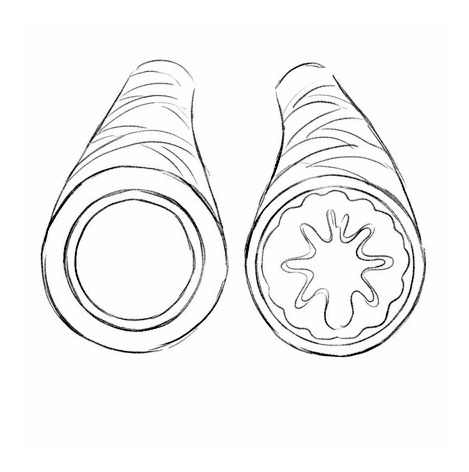
Asthma inflames and narrows the airways, making breathing more difficult.
AI-generated schematic illustration; not a clinical image.
Understanding the topic
Asthma is a chronic disease of the airways carrying air into and out of the lungs. Inflammation and narrowing can make breathing difficult. Genetic and environmental influences likely contribute, and triggers vary between people. Dust mites, pollen, mold, pets, smoke, cold air, respiratory infections, chemicals, or exercise may provoke symptoms. Identifying a personal trigger is more informative than assuming the same trigger affects everyone. Common symptoms include tightness in the chest, difficulty breathing, cough, and wheezing during exhalation. Assessment combines history, examination, and lung-function tests. Spirometry evaluates breathing performance; peak expiratory flow measures how quickly air can be expelled with maximum effort. Selected challenge tests compare lung function before and after exposure. Exhaled nitric oxide can provide information about inflammation. When allergy is suspected, skin or blood testing can help identify relevant allergens. These tests answer different questions within the assessment. A plan addresses personal triggers and medicines chosen with a professional.
Lesson 1
Inflamed airways and personal triggers & Wheezing, cough, and attacks
Inflamed airways and personal triggers
Asthma is a chronic disease of the airways carrying air into and out of the lungs. Inflammation and narrowing can make breathing difficult. Genetic and environmental influences likely contribute, and triggers vary between people. Dust mites, pollen, mold, pets, smoke, cold air, respiratory infections, chemicals, or exercise may provoke symptoms. Identifying a personal trigger is more informative than assuming the same trigger affects everyone. Common symptoms include tightness in the chest, difficulty breathing, cough, and wheezing during exhalation.
Wheezing, cough, and attacks
Common symptoms include tightness in the chest, difficulty breathing, cough, and wheezing during exhalation. Cough may be worse at night or early morning. Symptoms can occur daily or intermittently and vary in severity. During an attack they become much worse, suddenly or gradually. Some attacks are life-threatening. Repeated attacks may mean the treatment plan needs assessment rather than being accepted as unavoidable. Assessment combines history, examination, and lung-function tests.
Lesson 2
Spirometry and airway assessment & Quick relief and regular control
Spirometry and airway assessment
Assessment combines history, examination, and lung-function tests. Spirometry evaluates breathing performance; peak expiratory flow measures how quickly air can be expelled with maximum effort. Selected challenge tests compare lung function before and after exposure. Exhaled nitric oxide can provide information about inflammation. When allergy is suspected, skin or blood testing can help identify relevant allergens. These tests answer different questions within the assessment. A plan addresses personal triggers and medicines chosen with a professional.
Quick relief and regular control
A plan addresses personal triggers and medicines chosen with a professional. Quick-relief medicines act rapidly to relieve symptoms and open airways. Controller medicines are used regularly to reduce inflammation and prevent narrowing. Treatment may be adjusted until control improves. Severe attacks unresponsive to quick-relief treatment require emergency care. Avoiding tobacco smoke and other personal triggers supports the medicine plan rather than replacing needed treatment. Asthma is a chronic disease of the airways carrying air into and out of the lungs.
Study guide
- Explain inflamed airways and personal triggers.
- Explain wheezing, cough, and attacks.
- Explain spirometry and airway assessment.
- Explain quick relief and regular control.
- Inflamed airways and personal triggers
- Asthma is a chronic disease of the airways carrying air into and out of the lungs.
- Wheezing, cough, and attacks
- Common symptoms include tightness in the chest, difficulty breathing, cough, and wheezing during exhalation.
- Spirometry and airway assessment
- Assessment combines history, examination, and lung-function tests.
- Quick relief and regular control
- A plan addresses personal triggers and medicines chosen with a professional.
Lessons
Sources
- MedlinePlus en español — Asthmahttps://medlineplus.gov/spanish/asthma.html
Original educational summaries; not a diagnosis or treatment plan. Read by a medical doctor and confirmed reliable, pending formal approval. Sources come from approved websites.