Balanced Nutrition
Nutrition supplies energy and the nutrients required for growth, repair, and normal function.
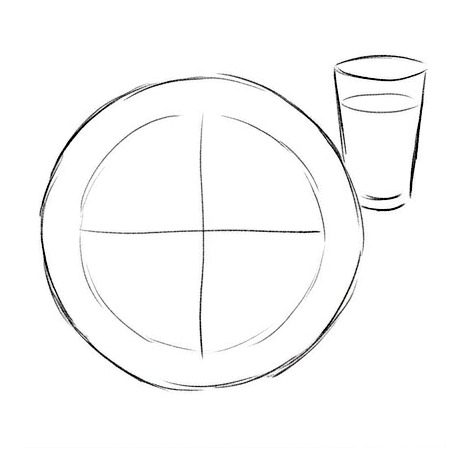
A varied diet includes vegetables, fruit, whole grains, and sources of protein.
AI-generated schematic illustration; not a clinical image.
Understanding the topic
Nutrition supplies energy and the nutrients required for growth, repair, and normal function. These include proteins, carbohydrates, fats, vitamins, minerals, and water. Healthy eating is a continuing pattern rather than a single perfect meal. Cultural traditions, preferences, and budget can shape nutritious choices. Variety matters because foods provide different combinations of nutrients, and no one food supplies everything required across the lifespan. A balanced eating pattern can help maintain healthy weight and support heart health. There is no single diet or calorie amount suited to everyone. Needs vary with age, sex, activity, health, and goals. A healthcare professional or dietitian can help tailor an eating plan. Reading labels and planning meals before shopping help compare choices. Personal circumstances matter more than a universal menu, and a health condition may require additional advice about nutrients or other dietary adjustments. Healthy plans include vegetables, fruits, whole grains, lean proteins, beans, and appropriate dairy choices.
Lesson 1
Energy, growth, and tissue repair & Healthy patterns and disease risk
Energy, growth, and tissue repair
Nutrition supplies energy and the nutrients required for growth, repair, and normal function. These include proteins, carbohydrates, fats, vitamins, minerals, and water. Healthy eating is a continuing pattern rather than a single perfect meal. Cultural traditions, preferences, and budget can shape nutritious choices. Variety matters because foods provide different combinations of nutrients, and no one food supplies everything required across the lifespan. A balanced eating pattern can help maintain healthy weight and support heart health.
Healthy patterns and disease risk
A balanced eating pattern can help maintain healthy weight and support heart health. It can reduce risk of heart disease, type 2 diabetes, obesity, and some cancers. Nutritious choices can also support well-being. These are associations and risk reductions over time, not guarantees that an individual will avoid disease. An occasional favorite food can fit within an overall pattern rather than requiring a rigid all-or-nothing approach.
Lesson 2
Individual needs and food labels & Variety, supplements, and food safety
Individual needs and food labels
There is no single diet or calorie amount suited to everyone. Needs vary with age, sex, activity, health, and goals. A healthcare professional or dietitian can help tailor an eating plan. Reading labels and planning meals before shopping help compare choices. Personal circumstances matter more than a universal menu, and a health condition may require additional advice about nutrients or other dietary adjustments. Healthy plans include vegetables, fruits, whole grains, lean proteins, beans, and appropriate dairy choices.
Variety, supplements, and food safety
Healthy plans include vegetables, fruits, whole grains, lean proteins, beans, and appropriate dairy choices. Fiber and water matter along with calcium, vitamin D, and potassium. Limit excess salt, added sugars, alcohol, and saturated fat. Supplements can complement but not replace healthy foods. Safe handling, cooking, and storage prevent foodborne illness. Nutritious eating therefore involves both what foods provide and how they are prepared. Nutrition supplies energy and the nutrients required for growth, repair, and normal function.
Study guide
- Explain energy, growth, and tissue repair.
- Explain healthy patterns and disease risk.
- Explain individual needs and food labels.
- Explain variety, supplements, and food safety.
- Energy, growth, and tissue repair
- Nutrition supplies energy and the nutrients required for growth, repair, and normal function.
- Healthy patterns and disease risk
- A balanced eating pattern can help maintain healthy weight and support heart health.
- Individual needs and food labels
- There is no single diet or calorie amount suited to everyone.
- Variety, supplements, and food safety
- Healthy plans include vegetables, fruits, whole grains, lean proteins, beans, and appropriate dairy choices.
Lessons
Sources
- MedlinePlus en español — Balanced Nutritionhttps://medlineplus.gov/spanish/nutrition.html
Original educational summaries; not a diagnosis or treatment plan. Read by a medical doctor and confirmed reliable, pending formal approval. Sources come from approved websites.