Glaucoma
A group of eye diseases that damage the optic nerve and can cause irreversible vision loss.
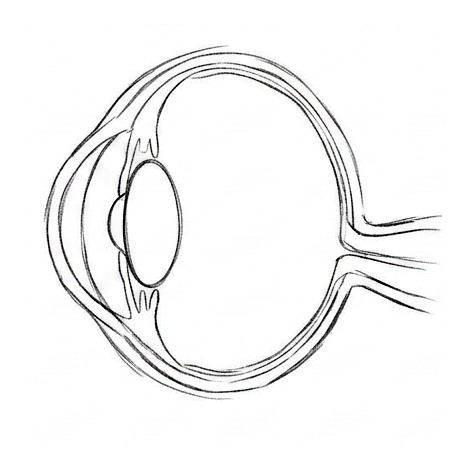
Glaucoma damages the optic nerve. Raised eye pressure is an important risk factor, but it is not present in every case.
AI-generated schematic illustration; not a clinical image.
Understanding the topic
Glaucoma is a group of diseases that damage the optic nerve, the cable that carries visual information from the eye to the brain. In most cases the damage is related to elevated pressure inside the eye, which builds up when the fluid that nourishes the eye does not drain properly. The most common form, open-angle glaucoma, develops slowly and painlessly. Vision loss begins at the edges of the visual field, so many people notice nothing until the damage is advanced. Open-angle glaucoma usually causes no symptoms in its early stages: no pain, no redness, and no obvious change in vision. The first noticeable sign is often the loss of side, or peripheral, vision. A less common form, angle-closure glaucoma, can appear suddenly with severe eye pain, headache, blurred vision, halos around lights, and nausea; this is a medical emergency. Because lost vision cannot be recovered, regular eye examinations are the best protection. Risk increases with age, a family history of glaucoma, elevated eye pressure, and certain ancestries, including African and Hispanic heritage. Diabetes and severe nearsightedness also raise risk. A complete eye examination measures eye pressure, inspects the drainage angle, examines the optic nerve after dilating the pupil, and tests the visual field. These painless tests can detect glaucoma before symptoms appear. Treatment cannot restore vision already lost, but it can usually stop or slow further damage. Daily prescription eye drops that lower eye pressure are the most common first treatment. Laser procedures and surgery improve fluid drainage when drops are not enough. Taking drops exactly as prescribed and keeping follow-up appointments are essential, because glaucoma is controlled rather than cured and damage continues silently if pressure stays high.
Lesson 1
Damage to the optic nerve & A silent disease with few warning signs
Damage to the optic nerve
Glaucoma is a group of diseases that damage the optic nerve, the cable that carries visual information from the eye to the brain. In most cases the damage is related to elevated pressure inside the eye, which builds up when the fluid that nourishes the eye does not drain properly. The most common form, open-angle glaucoma, develops slowly and painlessly. Vision loss begins at the edges of the visual field, so many people notice nothing until the damage is advanced.
A silent disease with few warning signs
Open-angle glaucoma usually causes no symptoms in its early stages: no pain, no redness, and no obvious change in vision. The first noticeable sign is often the loss of side, or peripheral, vision. A less common form, angle-closure glaucoma, can appear suddenly with severe eye pain, headache, blurred vision, halos around lights, and nausea; this is a medical emergency. Because lost vision cannot be recovered, regular eye examinations are the best protection.
Lesson 2
Who is at risk and how it is detected & Protecting the remaining vision
Who is at risk and how it is detected
Risk increases with age, a family history of glaucoma, elevated eye pressure, and certain ancestries, including African and Hispanic heritage. Diabetes and severe nearsightedness also raise risk. A complete eye examination measures eye pressure, inspects the drainage angle, examines the optic nerve after dilating the pupil, and tests the visual field. These painless tests can detect glaucoma before symptoms appear.
Protecting the remaining vision
Treatment cannot restore vision already lost, but it can usually stop or slow further damage. Daily prescription eye drops that lower eye pressure are the most common first treatment. Laser procedures and surgery improve fluid drainage when drops are not enough. Taking drops exactly as prescribed and keeping follow-up appointments are essential, because glaucoma is controlled rather than cured and damage continues silently if pressure stays high.
Study guide
- Explain damage to the optic nerve.
- Explain a silent disease with few warning signs.
- Explain who is at risk and how it is detected.
- Explain protecting the remaining vision.
- Damage to the optic nerve
- Glaucoma is a group of diseases that damage the optic nerve, the cable that carries visual information from the eye to the brain.
- A silent disease with few warning signs
- Open-angle glaucoma usually causes no symptoms in its early stages: no pain, no redness, and no obvious change in vision.
- Who is at risk and how it is detected
- Risk increases with age, a family history of glaucoma, elevated eye pressure, and certain ancestries, including African and Hispanic heritage.
- Protecting the remaining vision
- Treatment cannot restore vision already lost, but it can usually stop or slow further damage.
Lessons
Sources
- MedlinePlus en español — Glaucomahttps://medlineplus.gov/spanish/glaucoma.html
Original educational summaries; not a diagnosis or treatment plan. Read by a medical doctor and confirmed reliable, pending formal approval. Sources come from approved websites.