Rheumatoid Arthritis
An autoimmune disease in which the immune system attacks the lining of the joints.
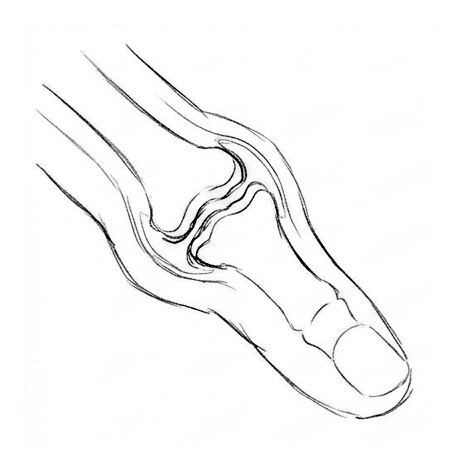
Rheumatoid arthritis inflames the lining of joints and can damage cartilage and bone.
AI-generated schematic illustration; not a clinical image.
Understanding the topic
Rheumatoid arthritis is a chronic autoimmune disease. The immune system, which normally defends the body against infection, mistakenly attacks the synovium, the membrane that lines the joints. This causes inflammation that thickens the membrane and can eventually destroy cartilage and bone within the joint. The disease usually affects the same joints on both sides of the body, especially the small joints of the hands and feet. It can begin at any age and is more frequent in women. Affected joints become painful, swollen, warm, and stiff. Morning stiffness that lasts more than an hour is a characteristic feature. Many people also feel tired, weak, and occasionally feverish. Symptoms often alternate between periods of worsening, called flares, and periods of relative calm called remission. Over time, uncontrolled inflammation can deform the joints and limit movement. Because the disease is systemic, it can also affect the skin, eyes, lungs, heart, and blood vessels. No single test confirms rheumatoid arthritis. Doctors combine the medical history, physical examination, blood tests, and imaging studies. Blood tests may detect rheumatoid factor and anti-CCP antibodies, along with markers of inflammation such as sedimentation rate and C-reactive protein. X-rays, ultrasound, or MRI help evaluate joint damage. Early diagnosis matters because starting treatment promptly can slow or prevent permanent joint damage. Treatment aims to reduce inflammation, relieve pain, and prevent joint damage. Disease-modifying antirheumatic drugs, known as DMARDs, are the mainstay and work best when started early. Anti-inflammatory medicines and corticosteroids can control symptoms during flares. Regular gentle exercise, rest during flares, and maintaining a healthy weight help preserve function. Physical and occupational therapy teach ways to protect the joints during daily activities.
Lesson 1
An immune attack on the joints & Symptoms that come and go
An immune attack on the joints
Rheumatoid arthritis is a chronic autoimmune disease. The immune system, which normally defends the body against infection, mistakenly attacks the synovium, the membrane that lines the joints. This causes inflammation that thickens the membrane and can eventually destroy cartilage and bone within the joint. The disease usually affects the same joints on both sides of the body, especially the small joints of the hands and feet. It can begin at any age and is more frequent in women.
Symptoms that come and go
Affected joints become painful, swollen, warm, and stiff. Morning stiffness that lasts more than an hour is a characteristic feature. Many people also feel tired, weak, and occasionally feverish. Symptoms often alternate between periods of worsening, called flares, and periods of relative calm called remission. Over time, uncontrolled inflammation can deform the joints and limit movement. Because the disease is systemic, it can also affect the skin, eyes, lungs, heart, and blood vessels.
Lesson 2
How it is diagnosed & Treatment and daily life
How it is diagnosed
No single test confirms rheumatoid arthritis. Doctors combine the medical history, physical examination, blood tests, and imaging studies. Blood tests may detect rheumatoid factor and anti-CCP antibodies, along with markers of inflammation such as sedimentation rate and C-reactive protein. X-rays, ultrasound, or MRI help evaluate joint damage. Early diagnosis matters because starting treatment promptly can slow or prevent permanent joint damage.
Treatment and daily life
Treatment aims to reduce inflammation, relieve pain, and prevent joint damage. Disease-modifying antirheumatic drugs, known as DMARDs, are the mainstay and work best when started early. Anti-inflammatory medicines and corticosteroids can control symptoms during flares. Regular gentle exercise, rest during flares, and maintaining a healthy weight help preserve function. Physical and occupational therapy teach ways to protect the joints during daily activities.
Study guide
- Explain an immune attack on the joints.
- Explain symptoms that come and go.
- Explain how it is diagnosed.
- Explain treatment and daily life.
- An immune attack on the joints
- Rheumatoid arthritis is a chronic autoimmune disease.
- Symptoms that come and go
- Affected joints become painful, swollen, warm, and stiff.
- How it is diagnosed
- No single test confirms rheumatoid arthritis.
- Treatment and daily life
- Treatment aims to reduce inflammation, relieve pain, and prevent joint damage.
Lessons
Sources
- MedlinePlus en español — Rheumatoid Arthritishttps://medlineplus.gov/spanish/rheumatoidarthritis.html
Original educational summaries; not a diagnosis or treatment plan. Read by a medical doctor and confirmed reliable, pending formal approval. Sources come from approved websites.