High Blood Pressure: Risks and Management
Blood pressure is force against artery walls.
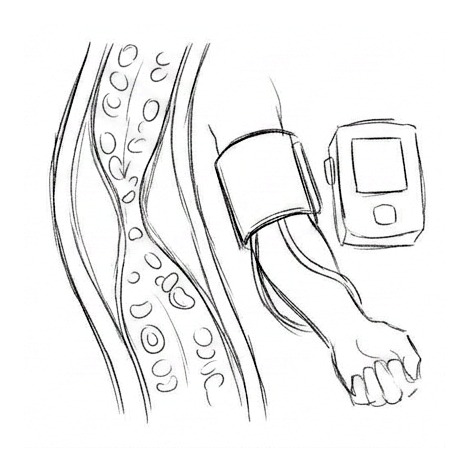
High blood pressure puts sustained strain on the heart and blood vessels; a cuff measures pressure.
AI-generated schematic illustration; not a clinical image.
Understanding the topic
Blood pressure is force against artery walls. Systolic describes pumping; diastolic describes rest between beats. High pressure means values remain higher than appropriate over time. Understanding phases clarifies what the two numbers mean and distinguishes pressure from pulse. A reading is information about circulation, not a symptom score. The pattern and clinical circumstances matter when interpreting measurements and deciding whether further assessment is required. High blood pressure often produces no obvious symptoms. Pressure can develop gradually without one clear cause or arise from another condition or medicine. Age, family history, excess weight, inactivity, and high sodium intake influence risk. Sustained elevation can harm heart, brain, kidneys, and eyes. The concern goes beyond the number displayed: persistent pressure can damage vital structures despite little everyday discomfort. Identifying contributors helps connect a person’s measurements with the appropriate care approach.
Lesson 1
Pressure during the heartbeat & Silent disease and regular checks
Pressure during the heartbeat
Blood pressure is force against artery walls. Systolic describes pumping; diastolic describes rest between beats. High pressure means values remain higher than appropriate over time. Understanding phases clarifies what the two numbers mean and distinguishes pressure from pulse. A reading is information about circulation, not a symptom score. The pattern and clinical circumstances matter when interpreting measurements and deciding whether further assessment is required. High blood pressure often produces no obvious symptoms.
Silent disease and regular checks
High blood pressure often produces no obvious symptoms. Feeling well does not prove normal pressure. Measurements rather than headache or tension identify the problem. Diagnosis uses a pattern of readings, not merely whether discomfort occurs. Routine checks can detect this silent condition before symptoms provide a warning. Lack of pain also does not demonstrate that blood vessels or organs are unaffected by persistent elevation. Pressure can develop gradually without one clear cause or arise from another condition or medicine.
Lesson 2
Causes and long-term harm & Habits, medicines, and monitoring
Causes and long-term harm
Pressure can develop gradually without one clear cause or arise from another condition or medicine. Age, family history, excess weight, inactivity, and high sodium intake influence risk. Sustained elevation can harm heart, brain, kidneys, and eyes. The concern goes beyond the number displayed: persistent pressure can damage vital structures despite little everyday discomfort. Identifying contributors helps connect a person’s measurements with the appropriate care approach.
Habits, medicines, and monitoring
Management includes heart-healthy eating, less sodium, activity, weight management, limiting alcohol, and avoiding tobacco. Medicines may also be needed. Lifestyle measures and treatment are complementary rather than competing choices. Continued measurements assess whether control improves. Individual treatment depends on circumstances, and lack of symptoms is not a reason to stop monitoring. The goal is reducing sustained pressure and associated risks over time. Blood pressure is force against artery walls.
Study guide
- Explain pressure during the heartbeat.
- Explain silent disease and regular checks.
- Explain causes and long-term harm.
- Explain habits, medicines, and monitoring.
- Pressure during the heartbeat
- Blood pressure is force against artery walls.
- Silent disease and regular checks
- High blood pressure often produces no obvious symptoms.
- Causes and long-term harm
- Pressure can develop gradually without one clear cause or arise from another condition or medicine.
- Habits, medicines, and monitoring
- Management includes heart-healthy eating, less sodium, activity, weight management, limiting alcohol, and avoiding tobacco.
Lessons
Sources
- MedlinePlus en español — High Blood Pressure: Risks and Managementhttps://medlineplus.gov/spanish/highbloodpressure.html
Original educational summaries; not a diagnosis or treatment plan. Read by a medical doctor and confirmed reliable, pending formal approval. Sources come from approved websites.