Anxiety and Anxiety Disorders
Anxiety is fear, dread, or uneasiness and can include tension, sweating, restlessness, or a pounding heart.
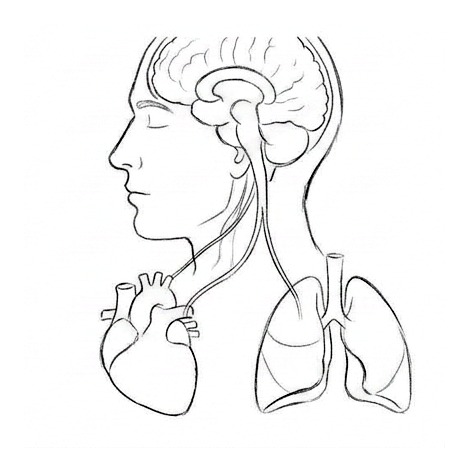
Anxiety can affect the body as well as thoughts, including heart rate and breathing.
AI-generated schematic illustration; not a clinical image.
Understanding the topic
Anxiety is fear, dread, or uneasiness and can include tension, sweating, restlessness, or a pounding heart. Brief anxiety before a difficult decision or examination can be normal and sometimes improves focus. Disorders involve fear or worry that persists, may worsen, and disrupts work, school, relationships, or ordinary activities. Duration and effect on functioning matter more than simply whether a person has ever felt nervous in a stressful situation. Anxiety can involve dizziness, breathlessness, aches, racing heartbeat, avoidance, and difficult-to-control thoughts. Genetics, brain biology, stress, environment, or trauma may contribute. Caffeine, substances, and some medicines can worsen symptoms. Evaluation considers history and may investigate thyroid or heart-rhythm problems that resemble anxiety. Psychological assessment characterizes the pattern. Physical symptoms need context rather than automatically assuming every fast heartbeat is panic or excluding anxiety whenever bodily symptoms occur.
Lesson 1
Normal stress versus persistent disruption & Different anxiety patterns
Normal stress versus persistent disruption
Anxiety is fear, dread, or uneasiness and can include tension, sweating, restlessness, or a pounding heart. Brief anxiety before a difficult decision or examination can be normal and sometimes improves focus. Disorders involve fear or worry that persists, may worsen, and disrupts work, school, relationships, or ordinary activities. Duration and effect on functioning matter more than simply whether a person has ever felt nervous in a stressful situation.
Different anxiety patterns
Generalized anxiety disorder involves excessive everyday worry on most days for at least six months. Panic disorder involves repeated sudden episodes of intense fear without apparent danger. Phobias involve intense fear of particular things or situations presenting little actual danger. These patterns differ in focus, timing, and circumstances. One isolated anxious event is not equivalent to a persistent disorder, and different anxiety labels are not interchangeable descriptions of the same experience.
Lesson 2
Physical symptoms and evaluation & Psychotherapy and individualized treatment
Physical symptoms and evaluation
Anxiety can involve dizziness, breathlessness, aches, racing heartbeat, avoidance, and difficult-to-control thoughts. Genetics, brain biology, stress, environment, or trauma may contribute. Caffeine, substances, and some medicines can worsen symptoms. Evaluation considers history and may investigate thyroid or heart-rhythm problems that resemble anxiety. Psychological assessment characterizes the pattern. Physical symptoms need context rather than automatically assuming every fast heartbeat is panic or excluding anxiety whenever bodily symptoms occur.
Psychotherapy and individualized treatment
Treatment can involve psychotherapy, medicines, or both. Cognitive behavioral therapy changes patterns of thinking and responding. Exposure therapy helps a person face feared situations and resume avoided activities. Acceptance and commitment approaches can use mindfulness and goals. Medicines are selected according to the disorder and response. Support groups or stress-management techniques may help. Care addresses functioning and behavior as well as symptoms, instead of expecting one universal treatment to fit every person.
Study guide
- Explain normal stress versus persistent disruption.
- Explain different anxiety patterns.
- Explain physical symptoms and evaluation.
- Explain psychotherapy and individualized treatment.
- Normal stress versus persistent disruption
- Anxiety is fear, dread, or uneasiness and can include tension, sweating, restlessness, or a pounding heart.
- Different anxiety patterns
- Generalized anxiety disorder involves excessive everyday worry on most days for at least six months.
- Physical symptoms and evaluation
- Anxiety can involve dizziness, breathlessness, aches, racing heartbeat, avoidance, and difficult-to-control thoughts.
- Psychotherapy and individualized treatment
- Treatment can involve psychotherapy, medicines, or both.
Lessons
Sources
- MedlinePlus en español — Anxiety and Anxiety Disordershttps://medlineplus.gov/spanish/anxiety.html
Original educational summaries; not a diagnosis or treatment plan. Read by a medical doctor and confirmed reliable, pending formal approval. Sources come from approved websites.