Coronary Artery Disease
Coronary arteries supply oxygen-rich blood to heart muscle.
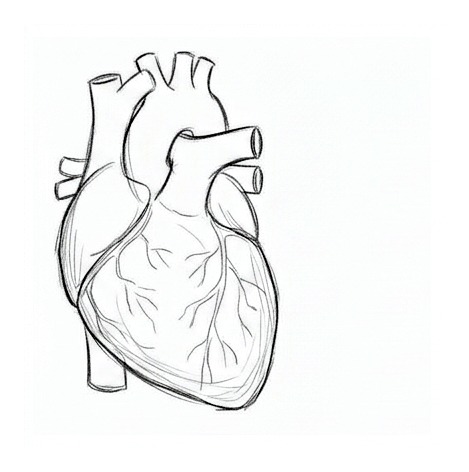
Coronary arteries supply the heart muscle. Plaque buildup can limit that blood supply.
AI-generated schematic illustration; not a clinical image.
Understanding the topic
Coronary arteries supply oxygen-rich blood to heart muscle. Plaque containing fat, cholesterol, calcium, and other substances can build up inside them. This process, atherosclerosis, narrows the channel and limits circulation. The heart’s own oxygen supply can become inadequate even though it continues pumping blood elsewhere. Changes generally develop gradually, but sudden clot formation can interrupt circulation and cause a heart attack. Coronary disease is not limited to one completely blocked artery. Symptoms can include chest pressure, tightness, or discomfort spreading to the neck, jaw, shoulder, or arm. Breathlessness and unusual fatigue may occur; some people have no warning symptoms. Symptoms during activity may improve with rest. Persistent discomfort or discomfort at rest needs emergency attention. Reduced circulation can also contribute to heart failure or abnormal rhythms, so the significance goes beyond discomfort alone. Evaluation combines history, examination, and selected tests.
Lesson 1
Plaque and the heart’s blood supply & Large arteries and small vessels
Plaque and the heart’s blood supply
Coronary arteries supply oxygen-rich blood to heart muscle. Plaque containing fat, cholesterol, calcium, and other substances can build up inside them. This process, atherosclerosis, narrows the channel and limits circulation. The heart’s own oxygen supply can become inadequate even though it continues pumping blood elsewhere. Changes generally develop gradually, but sudden clot formation can interrupt circulation and cause a heart attack. Coronary disease is not limited to one completely blocked artery.
Large arteries and small vessels
Coronary disease is not limited to one completely blocked artery. Obstructive and nonobstructive forms describe different degrees of narrowing in large coronary arteries. Microvascular disease affects the heart’s small vessels, where damaged walls impair flow. This form is more common in women. Different vessel sizes and patterns help explain why the same general diagnosis can involve different investigations or care rather than one uniform obstruction.
Lesson 2
Angina and emergency discomfort & Risk assessment and restoring flow
Angina and emergency discomfort
Symptoms can include chest pressure, tightness, or discomfort spreading to the neck, jaw, shoulder, or arm. Breathlessness and unusual fatigue may occur; some people have no warning symptoms. Symptoms during activity may improve with rest. Persistent discomfort or discomfort at rest needs emergency attention. Reduced circulation can also contribute to heart failure or abnormal rhythms, so the significance goes beyond discomfort alone. Evaluation combines history, examination, and selected tests.
Risk assessment and restoring flow
Evaluation combines history, examination, and selected tests. Blood pressure, cholesterol, glucose, and lifestyle help identify risks. Healthy eating, activity, and avoiding tobacco support care. Medicines may address cholesterol, pressure, glucose, or clot formation. Angioplasty opens a narrowed artery; bypass surgery creates a route around an obstruction. Cardiac rehabilitation supports recovery and healthier habits. Choices depend on the affected vessels and individual clinical circumstances. Coronary arteries supply oxygen-rich blood to heart muscle.
Study guide
- Explain plaque and the heart’s blood supply.
- Explain large arteries and small vessels.
- Explain angina and emergency discomfort.
- Explain risk assessment and restoring flow.
- Plaque and the heart’s blood supply
- Coronary arteries supply oxygen-rich blood to heart muscle.
- Large arteries and small vessels
- Coronary disease is not limited to one completely blocked artery.
- Angina and emergency discomfort
- Symptoms can include chest pressure, tightness, or discomfort spreading to the neck, jaw, shoulder, or arm.
- Risk assessment and restoring flow
- Evaluation combines history, examination, and selected tests.
Lessons
Sources
- MedlinePlus en español — Coronary Artery Diseasehttps://medlineplus.gov/spanish/coronaryarterydisease.html
Original educational summaries; not a diagnosis or treatment plan. Read by a medical doctor and confirmed reliable, pending formal approval. Sources come from approved websites.