The Liver: Functions and Disease
The liver is the largest organ inside the body and helps digest food, store energy, and remove toxins.
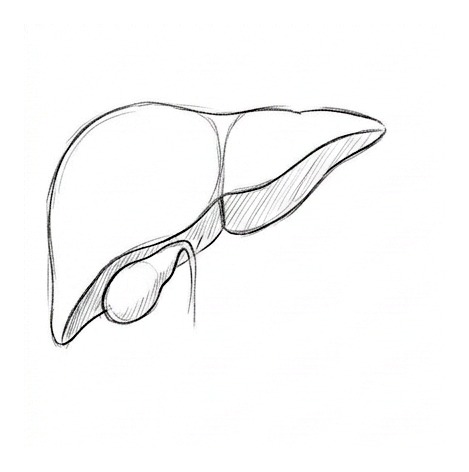
The liver processes nutrients and makes bile, which helps digest fats.
AI-generated schematic illustration; not a clinical image.
Understanding the topic
The liver is the largest organ inside the body and helps digest food, store energy, and remove toxins. These broad roles explain effects beyond a single digestive complaint. Processing substances, keeping energy available, and handling harmful exposures are different tasks performed by the same organ. A liver problem can therefore have consequences in several areas of health, and the precise cause affects what further information is needed. Some liver diseases produce no symptoms. Possible findings include abdominal or leg swelling, easy bruising, changes in urine or stool color, and jaundice: yellow skin and eyes. These signs draw attention to a problem but do not identify one particular cause. Absence of jaundice does not rule out disease. Symptoms and their timing provide information that must be considered alongside tests and the person’s history.
Lesson 1
Digestion, energy storage, and toxin removal & Multiple causes of liver disease
Digestion, energy storage, and toxin removal
The liver is the largest organ inside the body and helps digest food, store energy, and remove toxins. These broad roles explain effects beyond a single digestive complaint. Processing substances, keeping energy available, and handling harmful exposures are different tasks performed by the same organ. A liver problem can therefore have consequences in several areas of health, and the precise cause affects what further information is needed.
Multiple causes of liver disease
Viruses including hepatitis A, B, and C can cause liver disease. Other causes involve medicines, poisons, toxins, or excessive alcohol. Cancer and inherited conditions such as hemochromatosis or Wilson disease are additional categories. Liver disease is not a synonym for alcohol injury. Different causes require different investigation, so assuming every affected person has the same exposure history or inherited risk can obscure the actual problem.
Lesson 2
Jaundice and other possible signs & Testing beyond symptoms
Jaundice and other possible signs
Some liver diseases produce no symptoms. Possible findings include abdominal or leg swelling, easy bruising, changes in urine or stool color, and jaundice: yellow skin and eyes. These signs draw attention to a problem but do not identify one particular cause. Absence of jaundice does not rule out disease. Symptoms and their timing provide information that must be considered alongside tests and the person’s history.
Testing beyond symptoms
Liver function tests and imaging can help identify damage or support diagnosis. They provide evidence when symptoms are few or absent. Because causes include infections, exposures, inherited disorders, and cancer, testing is interpreted with context. A result does not automatically reveal one disease or make history irrelevant. Evaluation combines different evidence about the organ and helps distinguish liver damage from the explanation for why it occurred.
Study guide
- Explain digestion, energy storage, and toxin removal.
- Explain multiple causes of liver disease.
- Explain jaundice and other possible signs.
- Explain testing beyond symptoms.
- Digestion, energy storage, and toxin removal
- The liver is the largest organ inside the body and helps digest food, store energy, and remove toxins.
- Multiple causes of liver disease
- Viruses including hepatitis A, B, and C can cause liver disease.
- Jaundice and other possible signs
- Some liver diseases produce no symptoms.
- Testing beyond symptoms
- Liver function tests and imaging can help identify damage or support diagnosis.
Lessons
Sources
- MedlinePlus en español — The Liver: Functions and Diseasehttps://medlineplus.gov/spanish/liverdiseases.html
Original educational summaries; not a diagnosis or treatment plan. Read by a medical doctor and confirmed reliable, pending formal approval. Sources come from approved websites.