Atopic Dermatitis
Atopic dermatitis is chronic eczema with itchy, scaly skin eruptions.
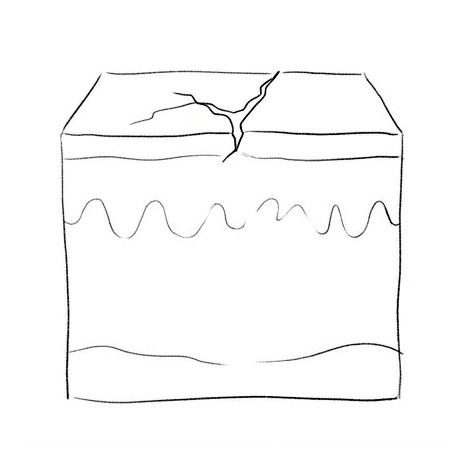
Atopic dermatitis involves an impaired skin barrier and inflammation.
AI-generated schematic illustration; not a clinical image.
Understanding the topic
Atopic dermatitis is chronic eczema with itchy, scaly skin eruptions. Some affected people lack proteins that help maintain the protective water barrier, making skin more sensitive. Asthma and seasonal allergies are common associations, but association does not mean allergy causes every case. Dryness, irritating materials, temperature changes, stress, and fragrances can worsen flares. The barrier problem and inflammation help explain persistent dryness and itching. Changes may include dry skin, oozing or crusting blisters, raw areas from scratching, and thickened skin from long-term irritation. Diagnosis primarily uses skin appearance and personal and family history. Biopsy can help confirm a diagnosis or investigate other causes. Allergy tests may be useful with difficult-to-treat disease, other allergic symptoms, or a specific exposure-related eruption. Cultures can investigate infection. Tests therefore address particular questions, not a rule that all eczema is an allergy or that every person needs the same testing. Moisturizers help retain water, especially when applied while skin is still damp.
Lesson 1
Skin barrier and inflammation & Scratching, flares, and infection
Skin barrier and inflammation
Atopic dermatitis is chronic eczema with itchy, scaly skin eruptions. Some affected people lack proteins that help maintain the protective water barrier, making skin more sensitive. Asthma and seasonal allergies are common associations, but association does not mean allergy causes every case. Dryness, irritating materials, temperature changes, stress, and fragrances can worsen flares. The barrier problem and inflammation help explain persistent dryness and itching. Changes may include dry skin, oozing or crusting blisters, raw areas from scratching, and thickened skin from long-term irritation.
Scratching, flares, and infection
Changes may include dry skin, oozing or crusting blisters, raw areas from scratching, and thickened skin from long-term irritation. It commonly starts in infancy, although the course varies. Some children improve as they grow; adults may experience persistent or recurring disease. Scratching damages skin and infection can complicate the condition. Fever, increasing redness, or pain are reasons to contact a healthcare professional. Diagnosis primarily uses skin appearance and personal and family history.
Lesson 2
Appearance, history, and selective tests & Retaining moisture and reducing irritation
Appearance, history, and selective tests
Diagnosis primarily uses skin appearance and personal and family history. Biopsy can help confirm a diagnosis or investigate other causes. Allergy tests may be useful with difficult-to-treat disease, other allergic symptoms, or a specific exposure-related eruption. Cultures can investigate infection. Tests therefore address particular questions, not a rule that all eczema is an allergy or that every person needs the same testing. Moisturizers help retain water, especially when applied while skin is still damp.
Retaining moisture and reducing irritation
Moisturizers help retain water, especially when applied while skin is still damp. Gentle cleansers and brief cool bathing are preferred to harsh rubbing or prolonged hot bathing. Fragrances and other irritating ingredients can worsen symptoms. Prescribed topical corticosteroids or other topical treatments may control inflammation; harder-to-control disease may need additional therapy. Infected skin may need antibiotics. Avoiding irritants and reducing scratching support the care plan.
Study guide
- Explain skin barrier and inflammation.
- Explain scratching, flares, and infection.
- Explain appearance, history, and selective tests.
- Explain retaining moisture and reducing irritation.
- Skin barrier and inflammation
- Atopic dermatitis is chronic eczema with itchy, scaly skin eruptions.
- Scratching, flares, and infection
- Changes may include dry skin, oozing or crusting blisters, raw areas from scratching, and thickened skin from long-term irritation.
- Appearance, history, and selective tests
- Diagnosis primarily uses skin appearance and personal and family history.
- Retaining moisture and reducing irritation
- Moisturizers help retain water, especially when applied while skin is still damp.
Lessons
Sources
- MedlinePlus en español — Atopic Dermatitishttps://medlineplus.gov/spanish/ency/article/000853.htm
Original educational summaries; not a diagnosis or treatment plan. Read by a medical doctor and confirmed reliable, pending formal approval. Sources come from approved websites.