Chronic Kidney Disease
Chronic kidney disease usually develops through a slow decline over months or years.
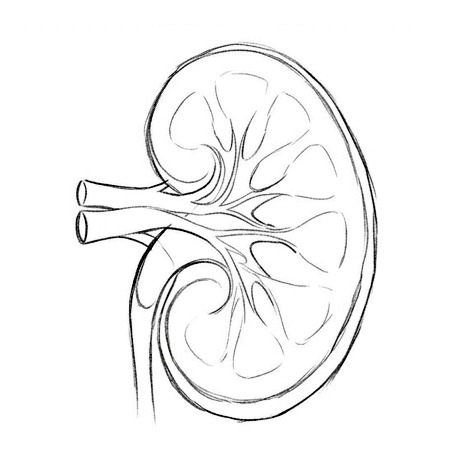
The kidneys filter blood and regulate fluid balance. Chronic kidney disease gradually reduces these functions.
AI-generated schematic illustration; not a clinical image.
Understanding the topic
Chronic kidney disease usually develops through a slow decline over months or years. Kidneys remove waste and excess water; declining function allows these to accumulate. Diabetes and high blood pressure are common causes. Other contributors include inherited abnormalities, autoimmune disorders, infection, stones, injury, certain medicines, and backward urine flow. Kidney disease also affects blood counts, vitamin D, mineral balance, and bone health. Function can decline so gradually that symptoms go unnoticed until disease is advanced. Urinalysis can reveal protein or other abnormalities before symptoms appear. Serum creatinine, creatinine clearance, and blood urea nitrogen provide information about kidney function. Blood counts, electrolytes, calcium, and phosphorus can show associated disturbances. Blood pressure is also assessed. Imaging or biopsy may help investigate the cause. Testing examines performance, accompanying changes, and the underlying disorder rather than relying on symptoms alone. Controlling pressure and glucose can slow further damage.
Lesson 1
Progressive loss of kidney function & Quiet early disease and later symptoms
Progressive loss of kidney function
Chronic kidney disease usually develops through a slow decline over months or years. Kidneys remove waste and excess water; declining function allows these to accumulate. Diabetes and high blood pressure are common causes. Other contributors include inherited abnormalities, autoimmune disorders, infection, stones, injury, certain medicines, and backward urine flow. Kidney disease also affects blood counts, vitamin D, mineral balance, and bone health. Function can decline so gradually that symptoms go unnoticed until disease is advanced.
Quiet early disease and later symptoms
Function can decline so gradually that symptoms go unnoticed until disease is advanced. Fatigue, poor appetite, nausea, itching, dry skin, and weight loss can resemble other illnesses. Worsening disease may cause swelling, breathlessness, vomiting, cramps, numbness, or concentration difficulty. Bone pain and sleep problems can also occur. Symptoms alone cannot reliably indicate how well the kidneys are filtering blood. Urinalysis can reveal protein or other abnormalities before symptoms appear.
Lesson 2
Urine protein and blood measurements & Slowing damage and replacing lost function
Urine protein and blood measurements
Urinalysis can reveal protein or other abnormalities before symptoms appear. Serum creatinine, creatinine clearance, and blood urea nitrogen provide information about kidney function. Blood counts, electrolytes, calcium, and phosphorus can show associated disturbances. Blood pressure is also assessed. Imaging or biopsy may help investigate the cause. Testing examines performance, accompanying changes, and the underlying disorder rather than relying on symptoms alone. Controlling pressure and glucose can slow further damage.
Slowing damage and replacing lost function
Controlling pressure and glucose can slow further damage. Care may include avoiding tobacco, activity as advised, and cholesterol management. Diet and fluid advice are individualized, including possible changes in protein or electrolytes. Nonprescription medicines and supplements should be discussed with a clinician. Associated anemia or mineral problems may require treatment. Advanced kidney failure may require dialysis or transplantation to replace essential functions. Chronic kidney disease usually develops through a slow decline over months or years.
Study guide
- Explain progressive loss of kidney function.
- Explain quiet early disease and later symptoms.
- Explain urine protein and blood measurements.
- Explain slowing damage and replacing lost function.
- Progressive loss of kidney function
- Chronic kidney disease usually develops through a slow decline over months or years.
- Quiet early disease and later symptoms
- Function can decline so gradually that symptoms go unnoticed until disease is advanced.
- Urine protein and blood measurements
- Urinalysis can reveal protein or other abnormalities before symptoms appear.
- Slowing damage and replacing lost function
- Controlling pressure and glucose can slow further damage.
Lessons
Sources
- MedlinePlus en español — Chronic Kidney Diseasehttps://medlineplus.gov/spanish/ency/article/000471.htm
Original educational summaries; not a diagnosis or treatment plan. Read by a medical doctor and confirmed reliable, pending formal approval. Sources come from approved websites.