Vaccines and Immune Protection
Vaccines teach immune defenses to recognize specific harmful germs.
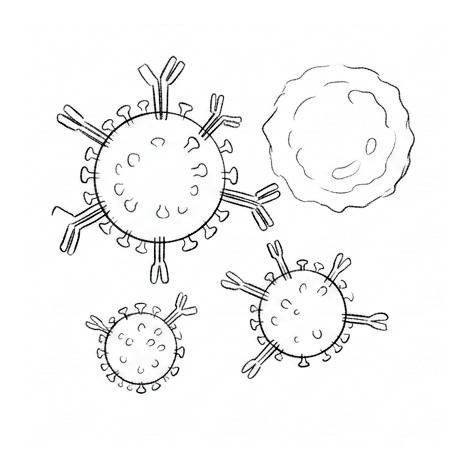
Antibodies recognize specific antigens. Vaccination helps the immune system prepare for future exposure.
AI-generated schematic illustration; not a clinical image.
Understanding the topic
Vaccines teach immune defenses to recognize specific harmful germs. Technologies include weakened or inactivated germs, components, toxins, or instructions for making a germ protein. They provoke recognition and an immune response that develops memory. Memory helps the body respond during a later encounter. This provides a way to gain protection without first experiencing the potentially severe disease, although vaccine approaches and eligible groups differ. Vaccination protects against infectious diseases caused by viruses or bacteria. Vaccines undergo extensive safety evaluation before approval in the United States. Individual planning also considers which vaccine is suitable for the person. Immune weakness or allergy to an ingredient may affect eligibility for particular products. A schedule organizes recommendations by group and timing. General safety evaluation differs from checking an individual contraindication, and neither is the same as diagnosing an infection from symptoms. Children and adults need vaccines according to appropriate schedules.
Lesson 1
Recognition and immune memory & Individual and community protection
Recognition and immune memory
Vaccines teach immune defenses to recognize specific harmful germs. Technologies include weakened or inactivated germs, components, toxins, or instructions for making a germ protein. They provoke recognition and an immune response that develops memory. Memory helps the body respond during a later encounter. This provides a way to gain protection without first experiencing the potentially severe disease, although vaccine approaches and eligible groups differ. Vaccination protects against infectious diseases caused by viruses or bacteria.
Individual and community protection
Vaccination protects against infectious diseases caused by viruses or bacteria. When enough people are vaccinated against certain conditions, transmission becomes harder. Community protection particularly matters for newborns and people unable to receive some vaccines because of immune weakness or ingredient allergies. It does not make every infection impossible or replace vaccination for eligible people. Individual protection and effects on spread are related but distinct benefits.
Lesson 2
Safety review and eligibility & Scheduled prevention across ages
Safety review and eligibility
Vaccines undergo extensive safety evaluation before approval in the United States. Individual planning also considers which vaccine is suitable for the person. Immune weakness or allergy to an ingredient may affect eligibility for particular products. A schedule organizes recommendations by group and timing. General safety evaluation differs from checking an individual contraindication, and neither is the same as diagnosing an infection from symptoms. Children and adults need vaccines according to appropriate schedules.
Scheduled prevention across ages
Children and adults need vaccines according to appropriate schedules. Schedules specify recommended products, eligible groups, and timing of administrations. Some vaccines are injections; others can be liquids, pills, or nasal sprays. Different delivery methods share the purpose of preparing defenses against particular germs. Following recommendations helps provide protection when needed, while decisions about individual eligibility belong with a healthcare professional rather than a universal assumption.
Study guide
- Explain recognition and immune memory.
- Explain individual and community protection.
- Explain safety review and eligibility.
- Explain scheduled prevention across ages.
- Recognition and immune memory
- Vaccines teach immune defenses to recognize specific harmful germs.
- Individual and community protection
- Vaccination protects against infectious diseases caused by viruses or bacteria.
- Safety review and eligibility
- Vaccines undergo extensive safety evaluation before approval in the United States.
- Scheduled prevention across ages
- Children and adults need vaccines according to appropriate schedules.
Lessons
Sources
- MedlinePlus en español — Vaccines and Immune Protectionhttps://medlineplus.gov/spanish/vaccines.html
Original educational summaries; not a diagnosis or treatment plan. Read by a medical doctor and confirmed reliable, pending formal approval. Sources come from approved websites.