Migraine
Migraine involves abnormal brain activity, nerve pathways, and chemical signaling, although the exact sequence remains uncertain.
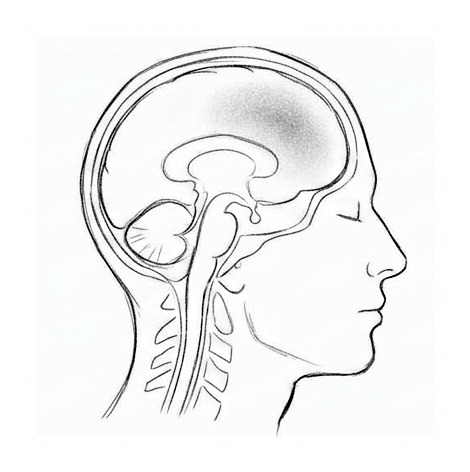
Migraine is a neurological condition, often involving headache and sensitivity to light or sound. The highlight is illustrative, not a lesion.
AI-generated schematic illustration; not a clinical image.
Understanding the topic
Migraine involves abnormal brain activity, nerve pathways, and chemical signaling, although the exact sequence remains uncertain. Throbbing pain, often on one side, can occur with nausea and sensitivity to light or sound. Family history contributes to susceptibility. Missed meals, disrupted sleep, stress, alcohol, hormonal changes, or strong smells may trigger attacks. A trigger starts an episode in some people; it is not a complete explanation of the disorder. Diagnosis usually relies on headache pattern, associated symptoms, history, and physical and neurological examination. No single test proves every headache is migraine. Typical cases may not need specialized testing, while new or unusual neurological findings can justify imaging or other investigations. Weakness or changes in alertness matter during assessment. Testing often investigates another possible cause rather than directly confirming migraine with one definitive laboratory measurement.
Lesson 1
Brain activity and individual triggers & Aura and recovery beyond the headache
Brain activity and individual triggers
Migraine involves abnormal brain activity, nerve pathways, and chemical signaling, although the exact sequence remains uncertain. Throbbing pain, often on one side, can occur with nausea and sensitivity to light or sound. Family history contributes to susceptibility. Missed meals, disrupted sleep, stress, alcohol, hormonal changes, or strong smells may trigger attacks. A trigger starts an episode in some people; it is not a complete explanation of the disorder.
Aura and recovery beyond the headache
Aura involves temporary neurological symptoms, commonly visual changes such as flashing lights, zigzag lines, or blind spots. Not every migraine has aura, and aura does not always lead to headache. Pain can intensify over minutes or hours and last for hours to days. Fatigue, neck discomfort, or unclear thinking may persist afterward. An attack can therefore affect daily functioning beyond the period when headache itself is most noticeable.
Lesson 2
Clinical diagnosis and alternative causes & Acute relief versus prevention
Clinical diagnosis and alternative causes
Diagnosis usually relies on headache pattern, associated symptoms, history, and physical and neurological examination. No single test proves every headache is migraine. Typical cases may not need specialized testing, while new or unusual neurological findings can justify imaging or other investigations. Weakness or changes in alertness matter during assessment. Testing often investigates another possible cause rather than directly confirming migraine with one definitive laboratory measurement.
Acute relief versus prevention
Acute treatment addresses an ongoing attack; preventive treatment aims to reduce future frequency. Regular sleep, consistent meals, and stress management can support prevention. A diary helps connect attacks with possible triggers and review patterns. Frequent pain-reliever use can itself contribute to rebound headaches. Repeated headaches are therefore not always a reason to increase pain medicine independently; care considers both the migraine pattern and the medicine-use pattern.
Study guide
- Explain brain activity and individual triggers.
- Explain aura and recovery beyond the headache.
- Explain clinical diagnosis and alternative causes.
- Explain acute relief versus prevention.
- Brain activity and individual triggers
- Migraine involves abnormal brain activity, nerve pathways, and chemical signaling, although the exact sequence remains uncertain.
- Aura and recovery beyond the headache
- Aura involves temporary neurological symptoms, commonly visual changes such as flashing lights, zigzag lines, or blind spots.
- Clinical diagnosis and alternative causes
- Diagnosis usually relies on headache pattern, associated symptoms, history, and physical and neurological examination.
- Acute relief versus prevention
- Acute treatment addresses an ongoing attack; preventive treatment aims to reduce future frequency.
Lessons
Sources
- MedlinePlus en español — Migrainehttps://medlineplus.gov/spanish/ency/article/000709.htm
Original educational summaries; not a diagnosis or treatment plan. Read by a medical doctor and confirmed reliable, pending formal approval. Sources come from approved websites.